
Shaping everyday spending into a social experience at Klarna
—Impact
• Created a toolkit that lets Klarna card‑holders turn ordinary purchases into shared “clubs,” making daily spending more flexible, organized, and social.
• Enabled users to set up clubs for trips, groceries, group gifts, etc., and to add transactions and split costs instantly.
• Sparking new usage patterns (solo clubs for personal budgeting) and established a foundation for broader adoption beyond the initial card‑holder segment.
—Approach
I entered a project with an incomplete team, vague product goals, and only half the expected engineering capacity. Working closely with the product manager, I helped define a clear product vision and roadmap that prioritized core functionality over visual polish.
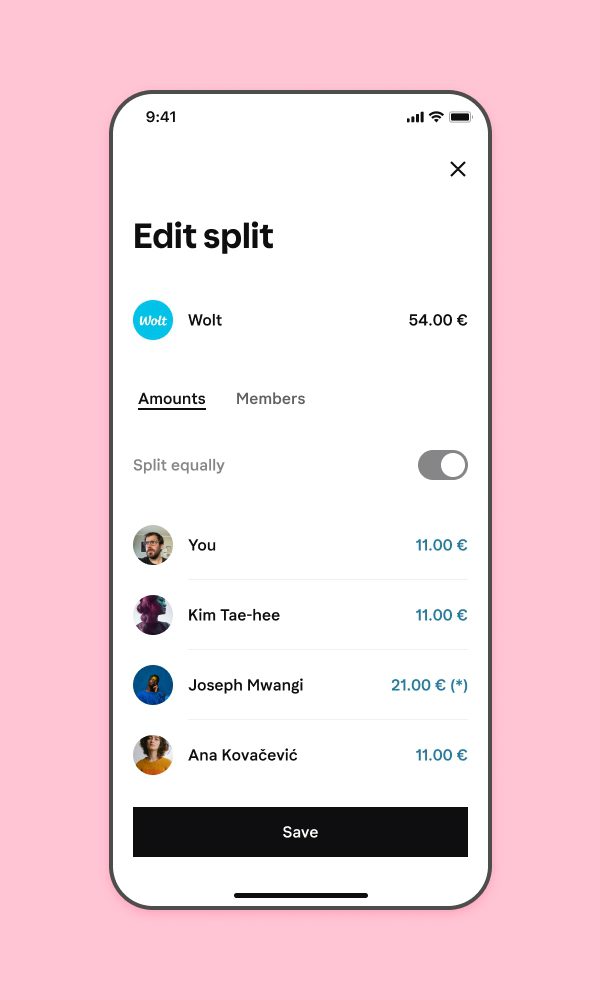
Together with engineering we focused on delivering the essential club‑creation and transaction‑splitting flows first. This involved building a streamlined onboarding experience for card holders, an invitation system that worked across messaging platforms, and support for three invitee types: existing card users, non‑card users, and brand‑new users.
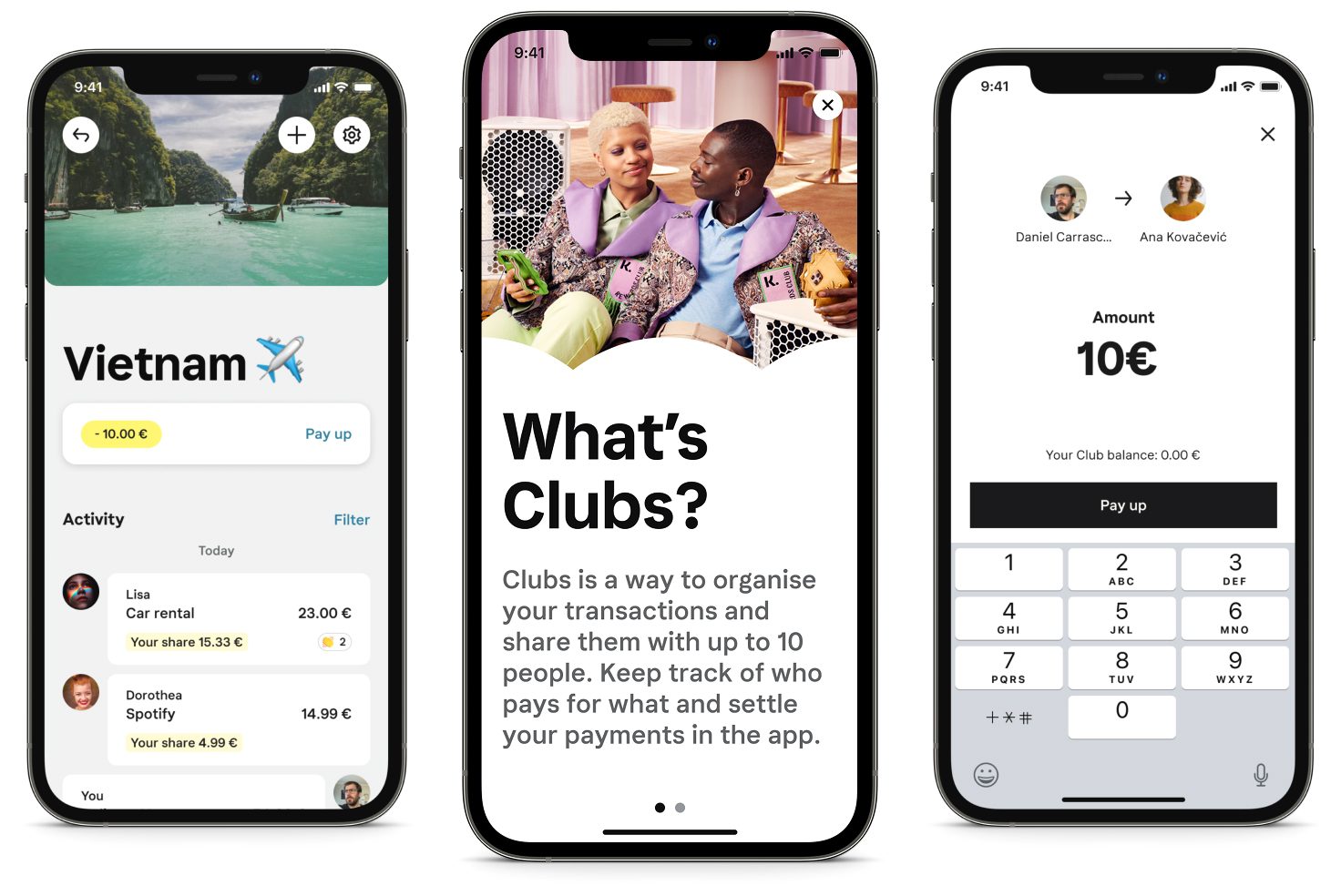
Left to right: Club view, what is a Club info, and selecting amount to pay to another Club member.
Research highlighted specific card‑holder segments that would benefit most from shared‑expense tools, so we concentrated our limited resources on those groups to ensure early adopters saw immediate value. Features were released incrementally, with continuous user testing guiding refinements to the UI for adding and dividing expenses, visualizing shared costs, and organizing clubs flexibly.
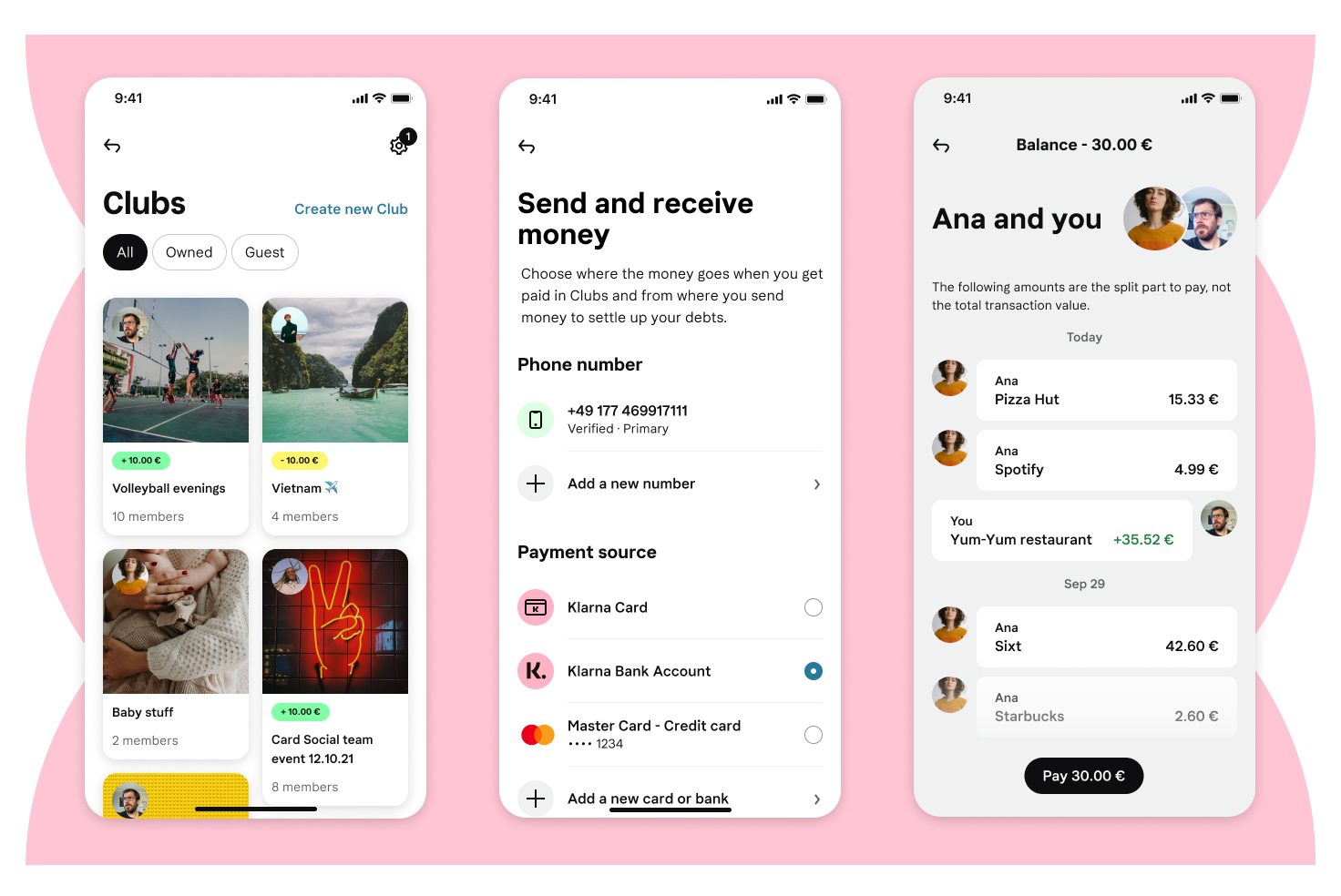
Left to right: Clubs main screen, payment settings, one on one history of payment/expenses.
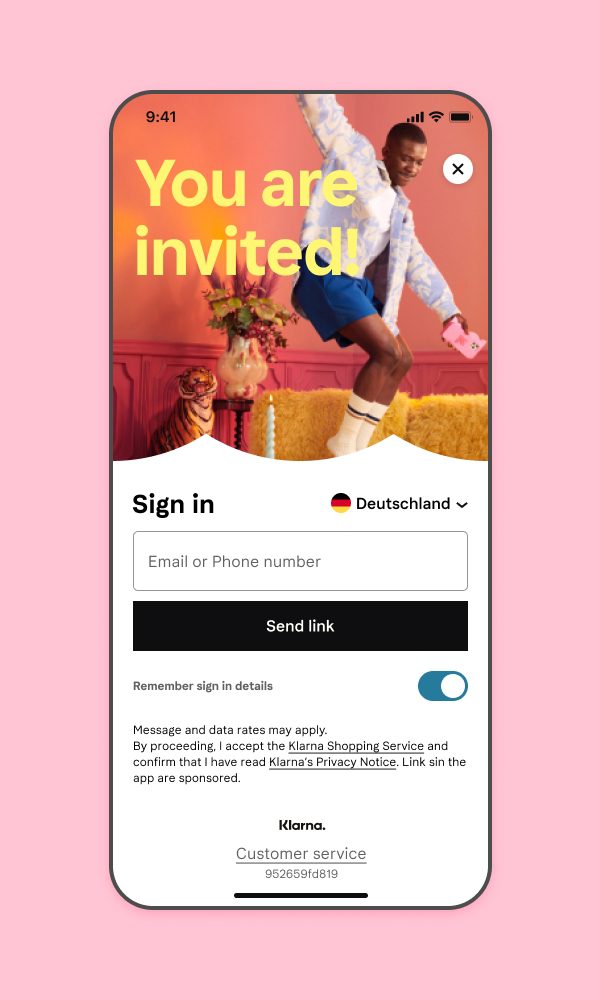
Stakeholder reviews were held monthly to keep leadership informed, even when visible progress was modest. The invitation system allowed users to bring friends into clubs via popular messaging apps, fostering a sense of community around shared purchases.
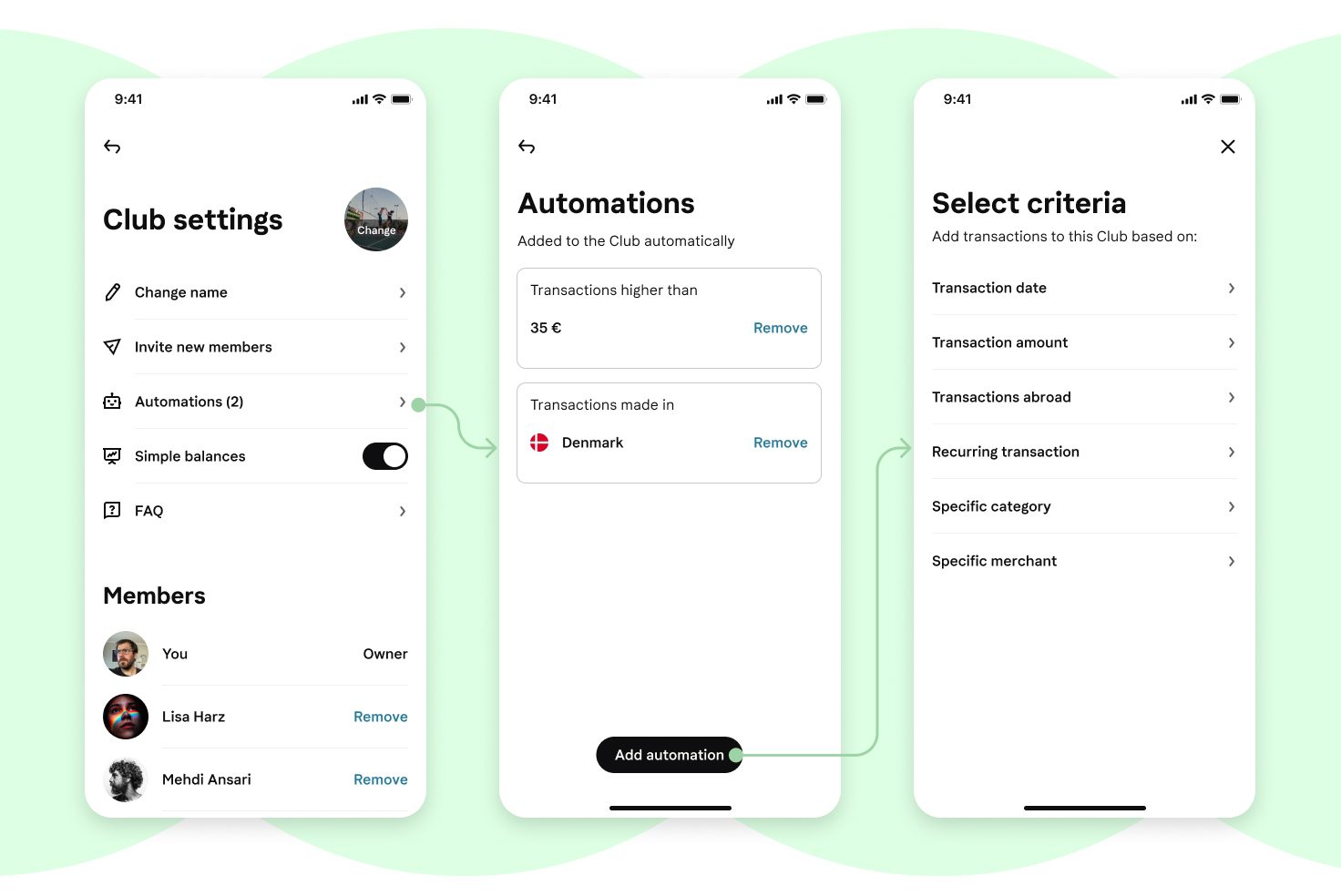
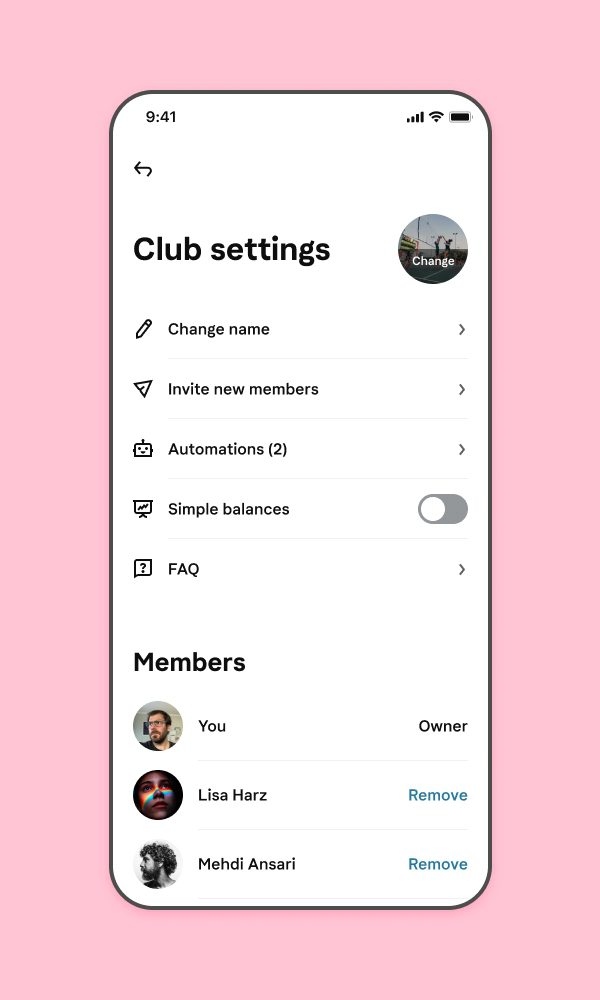
Club settings, automations, and criteria display for a new automation.
Although the aim of the feature was to be social, during the early months, some users created solo clubs to organize personal transactions, and common club names such as “groceries,” “Amazon,” and “subscriptions” reflected real‑world spending habits. These patterns showed that the concept resonated with users even before the feature was fully complete.
—Gallery
©2025 Daniel Carrasco Lara. Some rights reserved.
